What Is Torch Down Roofing and Is It the Right Choice for Your Flat or Low-Slope Roof?
August 14, 2026

Every job Vista Roofing completes carries the owner's personal sign-off — Daniel Eggert physically gets on every roof before the work is considered done. That standard matters especially for flat and low-slope roofs, where installation quality is the difference between a system that lasts decades and one that fails in the first rainy season. If you're researching
torch down roofing for your home or property in Humboldt County, this article will walk you through what the material actually is, how the installation process works, what separates a quality job from a corner-cut one, and how to make a confident decision before committing to a contractor.
Flat and low-slope roofs are common across Arcata, Eureka, Fortuna, and the surrounding areas — and they have specific performance demands that steeply pitched roofs simply don't face. Water doesn't shed the same way. Ponding is a real risk. And the storms that roll in off the Humboldt coast are not forgiving to a system that wasn't installed with those conditions in mind. Torch down roofing is one of the most reliable solutions available for these roof types, but only when the material is right and the installation is done correctly from the first layer to the last.
What Torch Down Roofing Material Actually Is and How It Differs From What Came Before
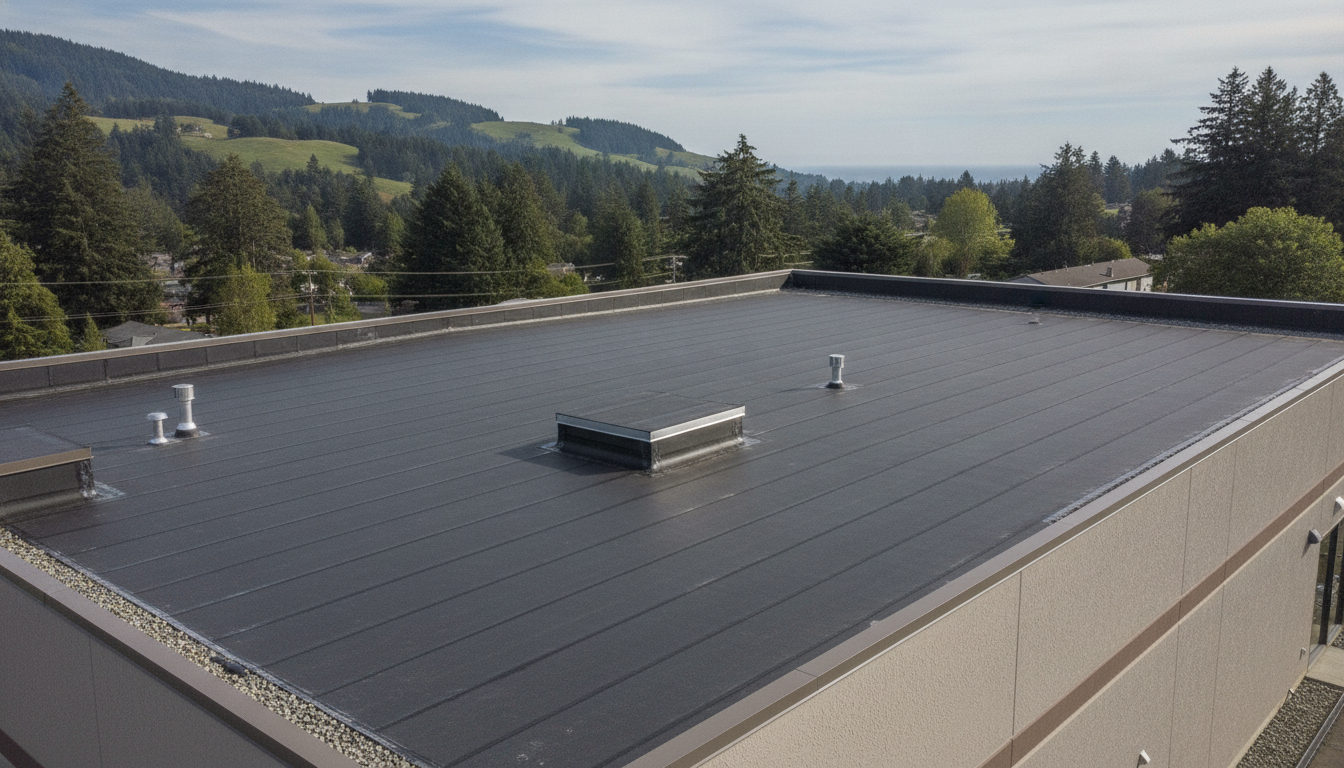
Torch down roofing — also called modified bitumen roofing — is a multi-layer flat roofing system built from asphalt that has been modified with rubber or plastic polymers to give it flexibility, durability, and resistance to temperature extremes. The name comes from the installation process: a propane torch is used to heat the underside of the material as it unrolls, melting it onto the surface below and creating a watertight bond that mechanical fastening alone cannot achieve.
This is a meaningful departure from older flat roofing systems like hot mop gravel roofs, which were once the standard in the region. Hot mop systems relied on multiple layers of felt paper embedded in hot asphalt, then covered with gravel for UV protection. They were labor-intensive to install, difficult to inspect, and notoriously prone to failure at seams and penetrations. When Vista Roofing removes an old hot mop gravel roof, the process involves stripping the entire system down to the decking, hauling away all debris, and carefully inspecting the underlying structure before anything new goes down. That inspection step is not optional — it's where rot, soft spots, and structural issues get caught before they become expensive problems hidden under a new roof.
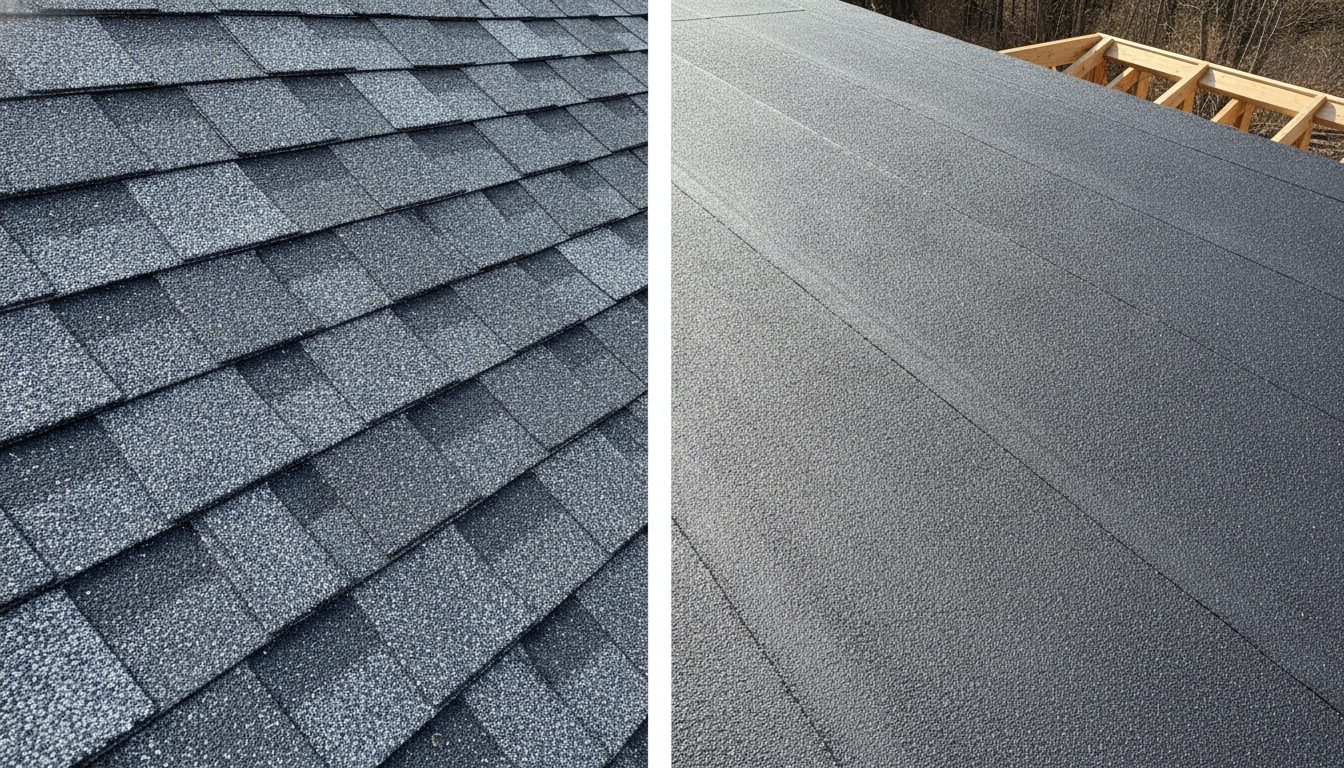
Modern torch down roofing material comes in two primary layers. The base layer is typically a fire-retardant sheet that adheres to the clean decking and provides the foundation for the system. The top layer — granulated torch application roofing — adds a surface of embedded mineral granules that protect the material from UV degradation and physical wear. The granulated cap sheet is what gives a finished torch down roof its textured appearance, and it's the layer that takes the daily abuse of weather, foot traffic during maintenance visits, and Humboldt's persistent moisture.
A properly installed two-layer torch down system can outlast older hot mop installations by a significant margin, provided the torch application is done by someone who understands proper heat control, overlap seaming requirements, and how to handle penetrations like vents, drains, and HVAC curbs without creating future leak points.
Where Torch Down Fails — and Why the Installation Process Is Everything
The most common failure points in torch down roofing are not in the material itself — they're in the installation. Seams that weren't fully torched. Penetrations that weren't properly flashed. Base layers installed over decking that had soft spots the crew didn't bother to investigate. These are the shortcuts that produce a roof that looks finished but starts leaking within a year or two.
This is the problem Vista Roofing was built around. Roofing contractors who cut corners to get jobs done faster are a real presence in the industry, and the consequences fall entirely on you as the homeowner. A torch down installation done carelessly might look identical to one done correctly — until the rains hit. By the time water appears on your ceiling, the damage has already worked its way through layers of roofing material and potentially into your decking and framing.
Daniel Eggert's approach to torch down installation reflects a specific philosophy: extra waterproofing steps get taken at every section of the roof that is historically prone to leaks. That includes any area where the field membrane meets a penetration, a parapet wall, a drain, or a transition to a different roofing system. These are not places to rush. They are the places where a torch down roof either earns its warranty or quietly begins to fail.
Vista Roofing holds a C-39 roofing license and stays compliant with the Contractors State License Board — not as a formality, but because that compliance is what separates legitimate contractors from fly-by-night operators who take your deposit and disappear before the first inspection is scheduled. Fraudulent inspections and faked damage assessments are practices the company has encountered in the field and stands unequivocally against. You deserve an honest assessment of your roof's condition before any work begins, and that assessment should never be used as a pressure tactic to rush you into a contract.
Why Humboldt County Flat Roofs Demand More From a Torch Down System
The climate in Humboldt County is not like most of California. Annual rainfall in areas like Arcata and Eureka routinely exceeds 40 inches. The coast brings persistent marine moisture even in drier months. And many of the region's homes and commercial buildings were constructed in eras when flat roofing materials were far less capable than what's available today. That combination of heavy precipitation, salt-laden air, and aging structures creates a performance environment that exposes every weakness in a flat roofing system.
For homeowners and property owners across the service area — from Trinidad down through Mckinleyville, Arcata, Eureka, Blue Lake, Fortuna, and out to Willow Creek and Hoopa — a torch down roof that was installed without proper base layers and fully sealed seams is a roof that Humboldt weather will eventually compromise. The granulated cap sheet handles UV and physical wear, but it's the integrity of the seams and penetration flashings that determines whether the system actually keeps water out through a full rainy season.
Vista Roofing approaches every torch down project by treating the decking inspection as a non-negotiable step. If there's rot in a fascia board or a soft spot in the plywood, that gets repaired before the new system goes down. Installing new roofing over compromised decking is one of the most common ways a roof fails prematurely, and it's also one of the most avoidable. The company holds licensure in Arcata, Eureka, Fortuna, Rio Del, and Trinidad — jurisdictions that each have specific code requirements for roofing work — and every completed job is verified against those requirements before it's signed off.
The Business Consumer Alliance has awarded Vista Roofing an AAA rating, which reflects the company's record on dispute resolution, transparency, and customer satisfaction. In a smaller community like Humboldt County, that kind of track record matters in a very practical way — the crew and the owner will be your neighbors long after the job is done.
What a Complete Torch Down Installation Actually Involves — From Tear-Off to Final Inspection
Understanding what a full torch down installation includes helps you evaluate contractor proposals and ask the right questions before signing anything. A complete job is not just removing the old roof and rolling out new material. It involves multiple distinct phases, each of which affects the long-term performance of the finished system.
The process starts with a full tear-off of the existing roofing — whether that's an old hot mop gravel system, a worn-out single-ply membrane, or a modified bitumen system that has reached the end of its service life. All debris gets hauled away from the site. The decking is then inspected across its full surface area, not just the sections that looked suspect from the ground. Any plywood that has absorbed moisture, developed soft spots, or lost structural integrity gets replaced before the base layer goes down.
The fire-retardant base sheet is installed first, providing the foundation for the torch application and an added layer of protection against ember exposure — a consideration that matters for properties in areas with any wildland interface. Once the base is set, the granulated torch application cap sheet goes on in overlapping runs, with each seam heated to the point of full adhesion. Penetrations — roof drains, vent stacks, HVAC curbs, skylights — each receive individual flashing treatment. These details are where less careful contractors save time, and they're exactly where Vista Roofing takes extra steps.
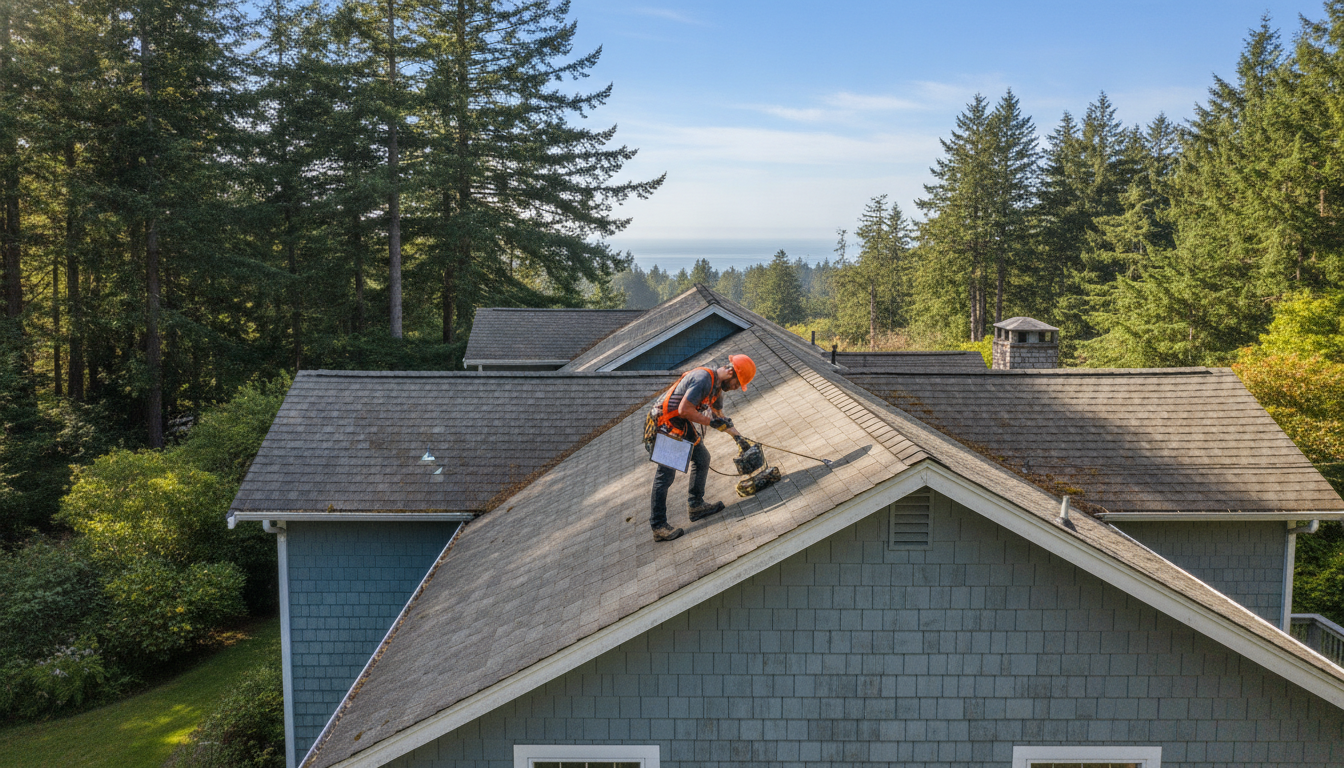
When the installation is complete, the job isn't finished until Daniel Eggert has walked the roof personally. Every penetration, every seam, every edge detail gets checked against the company's quality standard before the crew packs up. That owner's sign-off backs the company's 15-year warranty — a commitment that only makes sense when the craftsmanship behind it justifies the confidence.
Daniel Eggert Is on Every Job — and That Changes What the Work Looks Like
Eleven years of working in Humboldt County's construction environment — combined with three years as a firefighter and first responder in Tuolumne County — shaped a specific way of approaching work. Safety for the crew and consideration for the homeowner's property are not afterthoughts. Protecting plants, decks, railings, and siding during a torch down tear-off is a standard expectation on every Vista Roofing job site, not a special request.
Operations are structured around direct communication. Phone calls, texts, and emails get responses quickly. Scott, the operations manager, handles scheduling and customer communication with the same responsiveness that defines how the field work gets done. Pablo, the crew foreman, runs a job site that is organized, safe, and approachable — which matters when you're having significant work done on your home and you want to be able to ask questions without feeling like you're interrupting.
Vista Roofing accepts cash, credit card, check, and QuickBooks for payment, and the company's pricing reflects the true cost of doing the job correctly — quality torch down roofing material, proper base layers, full debris removal, and every code requirement met. If another quote looks significantly lower, it's worth asking specifically what's included in the base sheet, how penetrations are flashed, and whether the owner will be on site at any point during the installation.
A roof over your head is not a place to discover the difference between a contractor who cut corners and one who didn't. In Humboldt County's climate, that difference shows up every winter — and a system built to the standard Vista Roofing holds itself to is built to hold up through all of them.
Table of Contents
SHARE THIS