What Does a Professional Roof Inspection Actually Check — and How Do You Know If the Inspector Did a Thorough Job?
August 28, 2026
This is a subtitle for your new post
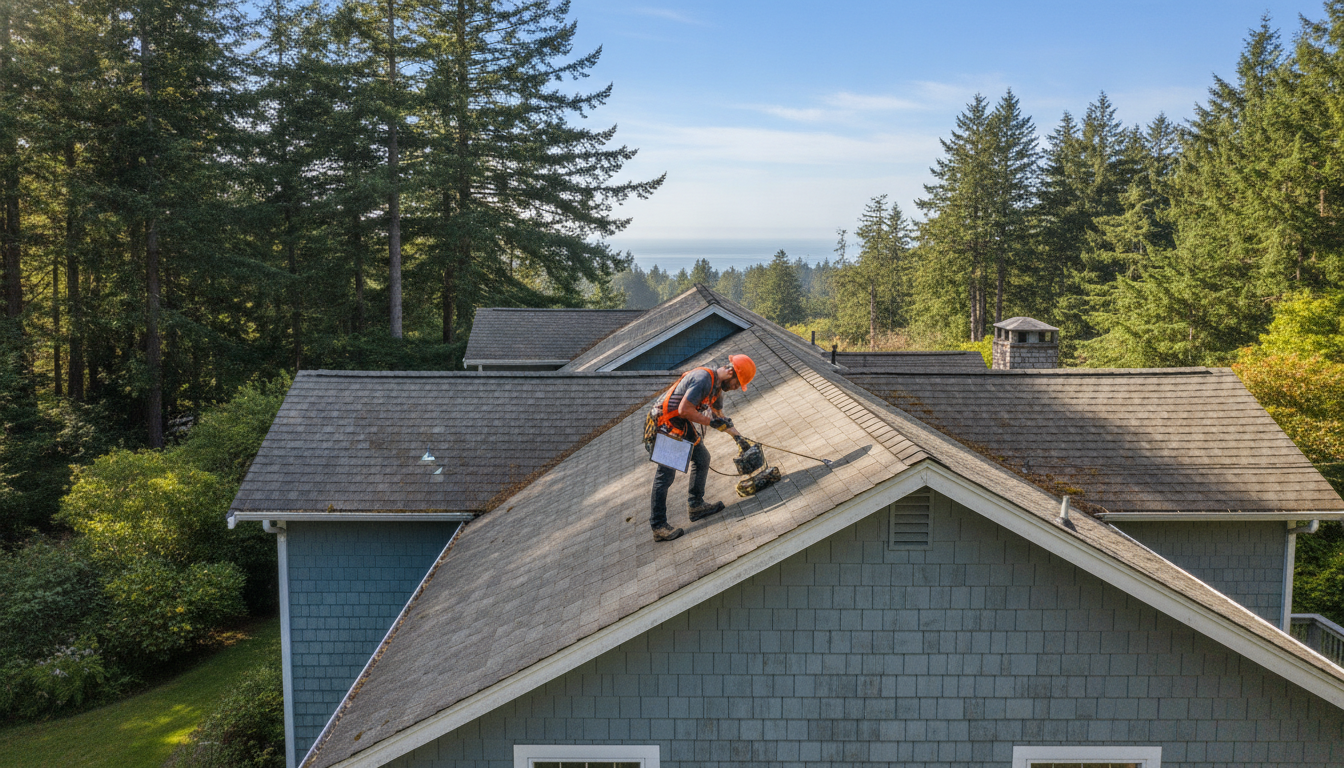
Every roof inspection Vista Roofing conducts ends with the company owner physically walking the roof — not a clipboard review from the driveway, not a photo pulled from a previous visit. That commitment is built into the business model because Danny knows firsthand that the difference between a thorough professional roof inspection and a cursory one can mean the difference between catching a slow leak early and replacing half a roof two winters later. If you are a homeowner or buyer in Arcata, Eureka, Fortuna, or anywhere across Humboldt County, understanding what a real inspection covers — and how to tell when one has been done right — is worth your time before you sign anything or let anyone on your roof. This article breaks down what a thorough inspection actually examines, what the benefits of regular roof inspections are over time, what warning signs suggest an inspector cut corners, and what separates a report you can trust from one that exists mainly to justify a sales pitch.
What a Thorough Roof Inspection Covers From Decking to Drip Edge
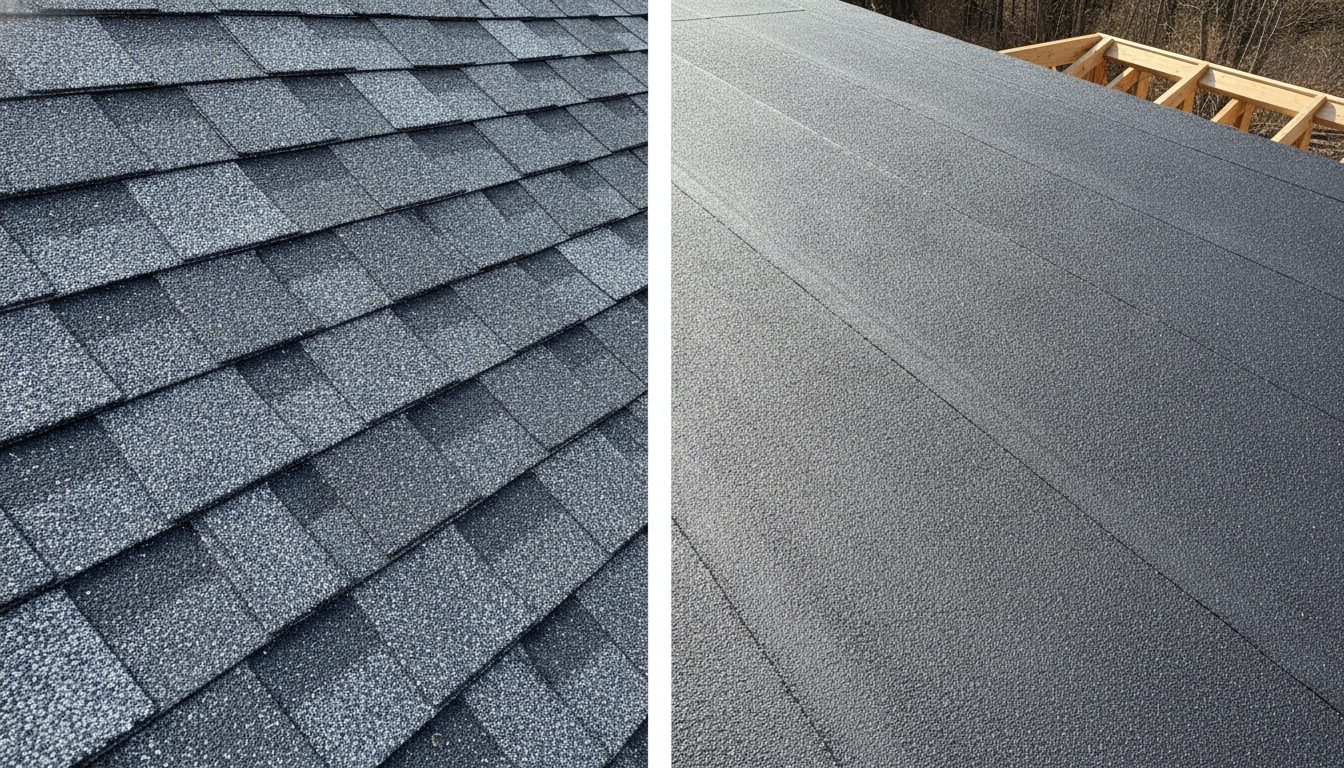
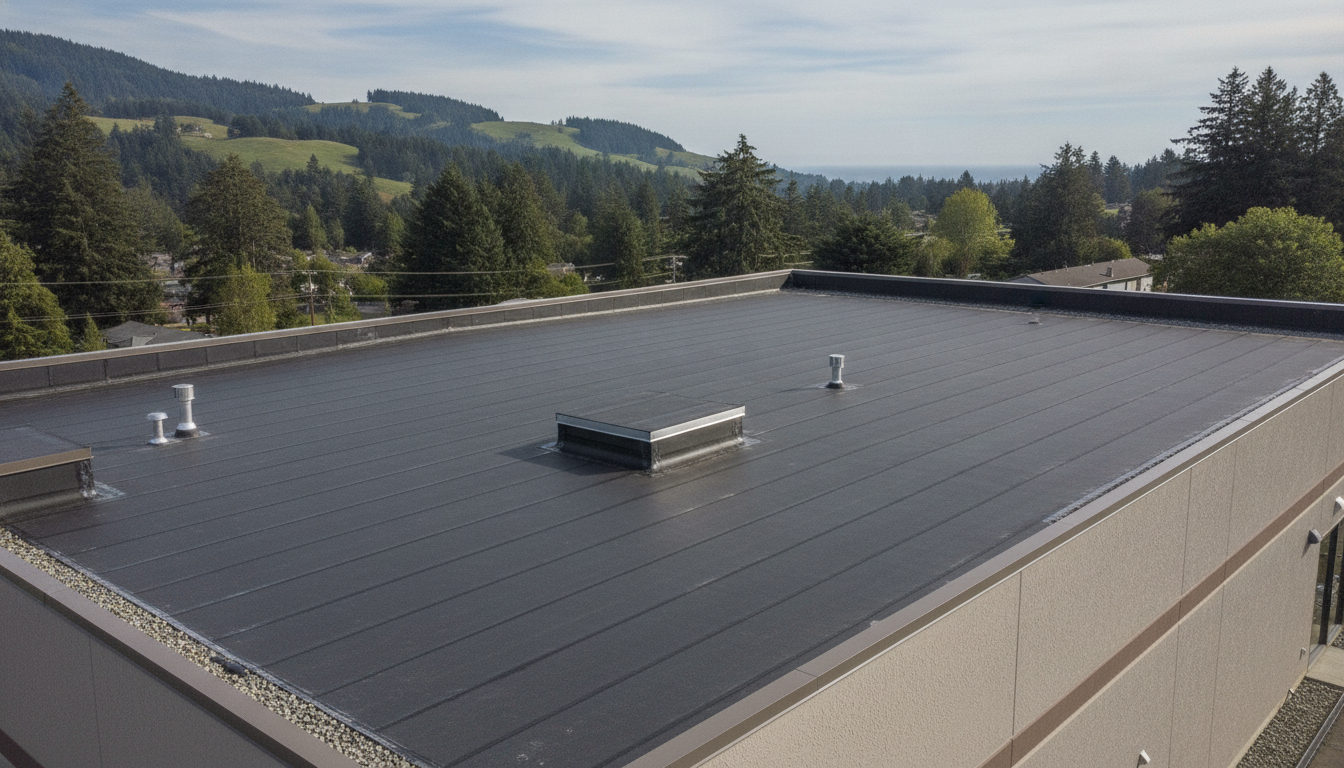
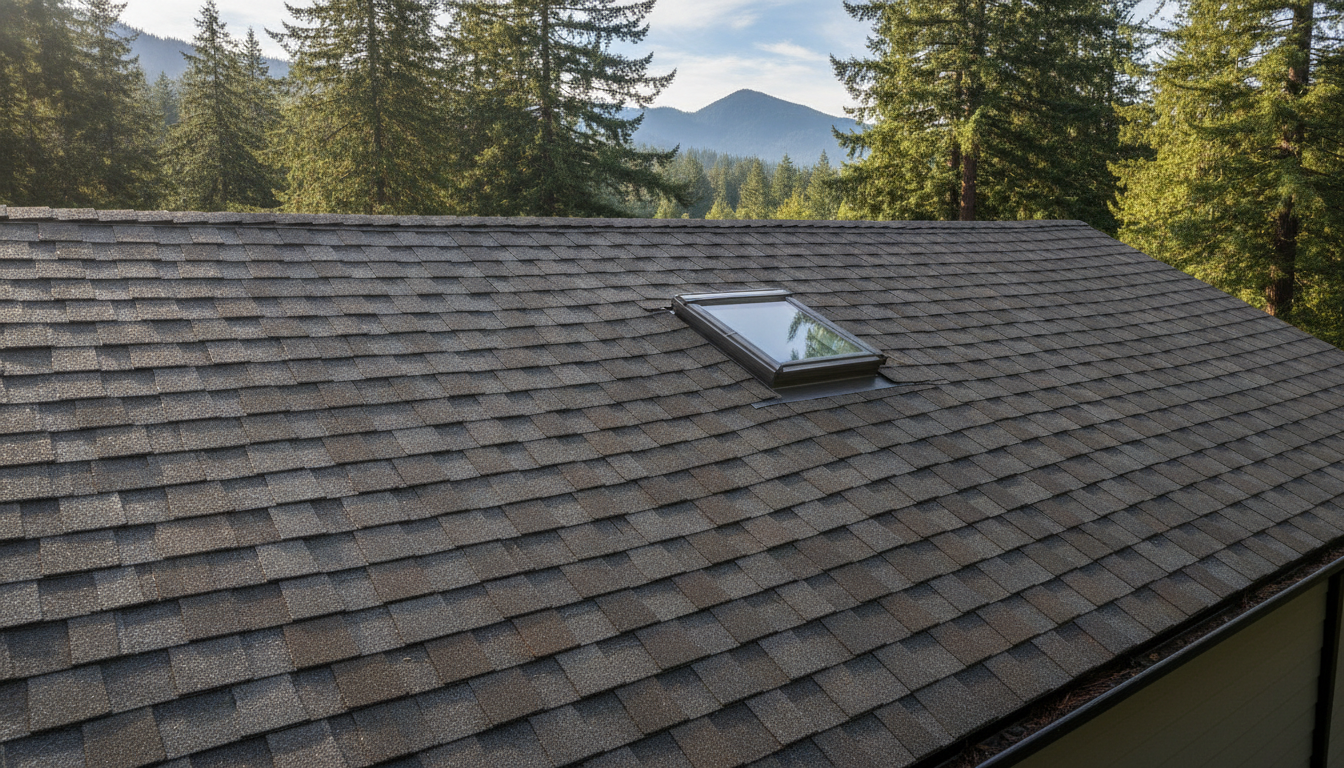
A professional roof inspection is not a visual sweep from the ground with binoculars. A thorough inspector physically accesses the roof surface and works through a structured checklist that begins with the decking beneath your shingles and ends at the drip edge along your eave line. Each layer in between has its own set of failure points, and skipping any one of them leaves you with a report that cannot be trusted. Starting at the decking level, an inspector is looking for signs of rot, soft spots, or delamination in plywood or tongue-and-groove boards. In Humboldt County's wet climate, moisture intrusion along rafter tails and fascia boards is common enough that experienced inspectors treat these areas as automatic points of concern rather than afterthoughts. From there, the inspection moves up through the underlayment layer — checking for tears, improper laps, or areas where moisture has already worked its way past the shingle layer. Shingle condition is where most homeowners focus their attention, but granule loss, curling edges, and cracked tabs are only part of the picture. Equally important are the transitions — valleys, ridges, hips, and any penetrations through the roof surface. Roof vents, bathroom fans, skylights, and chimney flashings are among the most common sources of leaks, and each one requires its own evaluation. Inspectors should be looking at flashing step details, caulking integrity, and whether the original installation met current code requirements. Gutter condition, downspout routing, and the presence of moss or organic growth round out a complete inspection. Moss and algae do not just look bad — they trap moisture against shingle surfaces and accelerate deterioration in ways that compound over time. An inspector who ignores moss on a Humboldt County roof is not paying attention to the specific conditions that drive premature failure in this region. The benefits of regular roof inspections go beyond catching problems early. Documented inspection reports also matter when you are buying or selling a property, filing an insurance claim, or making a case to a contractor about what work is actually needed versus what someone is trying to sell you.
How Fraudulent Inspections Get Used Against Homeowners — and How to Recognize Them
Vista Roofing was built, in part, around opposition to a specific kind of dishonesty: fraudulent inspections and fabricated damage. This is not a hypothetical concern in the roofing industry. Daniel Eggert has encountered it directly, and it shaped the way Vista Roofing approaches every estimate and every report the company produces. The pattern is familiar. A contractor shows up after a storm, offers a "free" inspection, and returns with photographs of damage that either does not exist or has been exaggerated to support a larger claim or contract. Homeowners who have not had a baseline inspection to compare against are in a weak position to push back. They have no independent documentation of their roof's condition before the contractor arrived. Paired with aggressive or high-pressure sales tactics — another practice Vista Roofing stands against — this approach pushes people into decisions before they have had the opportunity to get a second opinion or understand what they are actually agreeing to. A trustworthy inspection report includes detailed photographs of every area of concern, specific descriptions of the deficiency, and a clear distinction between what requires immediate repair and what should simply be monitored. Reports that lack photographic documentation, use vague language like "general wear," or arrive with a same-day contract attached deserve scrutiny. So do inspectors who do not physically get on the roof. An inspector who evaluates your roof from a ladder or from the ground cannot tell you the condition of your decking, the integrity of your underlayment, or whether the flashing around your bathroom vent was installed correctly. Vista Roofing's inspection process is built on the opposite approach. Every inspection includes detailed photos and a written report. The goal is accuracy, not a contract. That reputation for honest reporting is why local real estate professionals in Arcata, Eureka, and the surrounding communities have come to rely on Vista Roofing's inspections when evaluating properties before a transaction closes.
Why Humboldt County Roof Inspections Require Local Knowledge, Not Just a Checklist
Humboldt County's climate places roofs under conditions that do not appear in standard inspection training material written for drier parts of California. The combination of sustained rainfall, coastal wind exposure, and persistent humidity creates failure patterns that an inspector without local experience may not know to look for. This is not a generic observation — it is the reason Vista Roofing's C-39 licensed team approaches inspections differently than a company that rotates contractors across multiple regions. Moss growth is the most visible example, but it is not the only one. Humboldt homes also contend with wind-driven rain that enters through gaps that would never be problematic in a drier climate. Valleys — the angled intersections where two roof planes meet — need additional waterproofing treatment in this region precisely because they channel high water volumes during the extended rainy season. Vista Roofing takes specific steps to address these areas during every installation, which also means the company's inspectors know exactly what those problem zones look like when they have not been treated properly. Fascia boards and rafter tails in this region also show rot at higher rates than in drier parts of the state. An inspector who does not physically walk the perimeter of the roof and examine these areas at close range will miss rot that is already compromising the structural integrity of the eave line. By the time that rot becomes visible from the ground, it has usually spread well beyond what a simple repair can address. Vista Roofing holds a BCA AAA Rating and is licensed to operate in Arcata, Eureka, Fortuna, Rio Del, and Trinidad. That licensing is not just a credential — it reflects compliance with the CSLB standards that protect homeowners from fly-by-night operators who show up for a single job and disappear before their work can be properly evaluated. Staying compliant means every inspection Vista Roofing conducts is backed by a contractor who will still be reachable when questions come up six months later.
How to Know Whether the Inspector Actually Did a Thorough Job
Once an inspection is complete, homeowners are often left with a report and a phone number, but no clear way to evaluate whether the inspector did what they were supposed to do. There are specific indicators that separate a thorough inspection from one that was rushed or incomplete. The most reliable indicator is whether the inspector physically got on the roof. An inspector who stayed on the ground or only accessed the roof at the ladder point cannot evaluate the field of the roof, the ridge line, or the rear slopes. Ask directly: did you walk the entire roof surface? If the answer is evasive, the report's value is limited. The second indicator is photograph coverage. A thorough report documents not just problem areas but baseline conditions — what the shingles look like in good areas, what the flashing looks like where it has been properly installed. This gives you a reference point and makes it possible to compare before and after if repair work is performed later. Third, look at whether the report distinguishes between deficiencies that require immediate repair, conditions that should be monitored over the next 12 to 18 months, and areas that simply reflect normal aging for a roof of its age. A report that lumps everything into a single "needs repair" category is not giving you the information you need to make a decision. Vista Roofing's approach to inspections builds all three of these elements into every report as a standard practice, not as an upgrade. Daniel Eggert's background as a former firefighter and first responder instilled the kind of methodical, safety-first mindset that shows up directly in how inspections are conducted — attention to every detail, no shortcuts, and a commitment to leaving every customer with an accurate picture of what their roof actually needs. The benefits of regular roof inspections compound over time. A homeowner who has a documented inspection every few years builds a maintenance record that is valuable for insurance purposes, for property resale, and for catching the kind of slow-developing issues that become expensive when they go unnoticed. Waiting until there is an active leak means the damage has already done its work.
The Difference Between an Owner-Verified Inspection and a Field Crew Sign-Off
Most roofing companies send a crew member or sales estimator to conduct inspections. The person on your roof may be competent, but they are not the person who owns the company, who carries the license, and who will still be working in your community five years from now. At Vista Roofing, that distinction matters enough to be built into the company's operating model. Danny gets on every roof. Not to supervise from a distance, but to physically walk it and verify what the crew finds. That is the owner's stamp of approval in practice, not just on paper. For homeowners trying to decide whether an inspection report can be trusted, knowing that the C-39 licensed company owner conducted the inspection personally — and stands behind its findings — changes the weight of everything in that report. The 15-year warranty Vista Roofing backs its installation work with reflects the same logic. That kind of commitment is only possible when the company is confident in its own craftsmanship and honest about what it finds during the inspection process. A contractor who inflates damage to win a contract, then does the minimum to close it out, cannot offer a warranty and mean it. If you are a homeowner in Arcata, Mckinleyville, Willow Creek, Ferndale, or anywhere across Humboldt County who wants an inspection report that reflects what is actually on your roof — documented thoroughly, conducted by someone who physically walked every slope, and backed by a company that will still be answering your calls next year —
Vista Roofing is built to deliver exactly that. Quality you can trust starts with an inspection that was done right.
Table of Contents
SHARE THIS